
Aqua-Pure Water Filter Review: Is It Worth It?
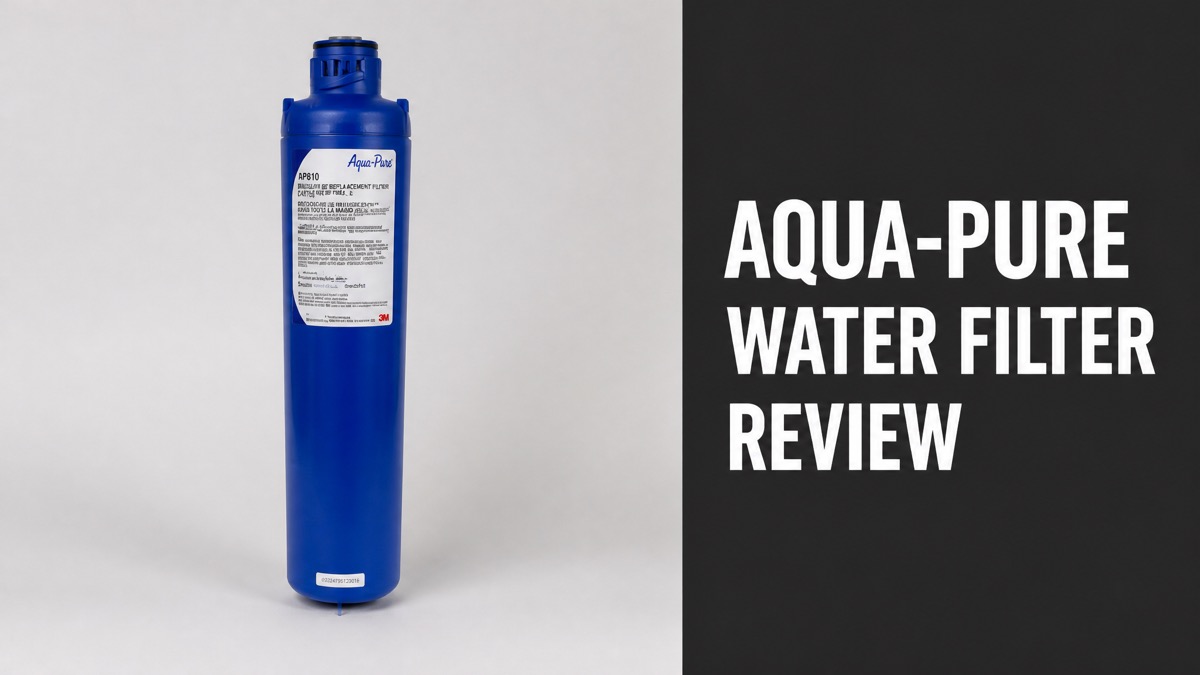
The Aqua-Pure water filter is a 3M-made home filtration line, and its whole-house cartridge unit is the version most buyers research. It treats tap water for chlorine taste, sediment, and scale on the main supply line, and it runs without electricity or salt. Installation happens at the main line.
The unit pairs a 5-micron sediment layer with activated carbon. It holds up to 100,000 gallons and swaps by hand without tools. Chlorine taste and smell drop in everyday use. Flow lands at 7 GPM in testing against a 10 GPM claim, and the replacement cartridges cost real money.
Lead, PFAS, and pesticides sit outside what this filter handles, so the fit depends on the home. Read on for the cost, the replacement schedule, a Filter Smart comparison, and a clear verdict on who should buy it.
What Is an Aqua-Pure Water Filter?
An Aqua-Pure water filter is a 3M-made home filter that treats tap water for chlorine taste, sediment, and scale. The line covers whole-house systems, under-sink filters, reverse osmosis units, and refrigerator inline filters.
The whole-house model most buyers search for is a single blue cartridge unit, such as the AP904. The unit sits on the main water line between the inlet and the outlet. Need hoses or extra pipes? None come in the box, since the unit sits in the line itself.
The review focuses on that whole-house cartridge system. Under-sink and reverse osmosis models from the same line work differently and carry their own prices.
Who Makes Aqua-Pure Filters?
3M makes the Aqua-Pure line of residential and commercial water filters. The 3M name signals solid build quality, and the metal head unit and sturdy housing back that up.
To be clear, NSF certification covers most products in the range, which gives third-party verification of performance claims. Compatible replacement cartridges also come from other makers, so buyers can compare prices.
How Does an Aqua-Pure Water Filter Work?
The whole-house cartridge pushes incoming water through a 5-micron sediment layer and an activated carbon block. Water enters at the main line, passes the cartridge, and exits to the house.
The sediment stage traps sand, silt, clay, grit, and bits of plastic. Anything large enough to feel in a glass gets caught here. Why start there? Sediment filtration is the simplest type, and it protects every tap in the home.
Here is why the carbon matters: activated carbon handles the chlorine. Municipal water carries chlorine as a disinfectant, and too much of it causes the bad smell and taste. The carbon traps it before the water reaches the shower or the kitchen.
What Does the Whole-House System Remove?
The system removes sediment down to 5 microns and reduces chlorine taste and odor. A polyphosphate scale inhibitor also works on hard water minerals.
What It Handles:
- Sediment down to 5 microns
- Chlorine taste and odor
- Scale buildup from hard water minerals
- Minimal reduction of chloramine and VOCs
Carbon gives a very basic level of reduction for chloramine and some VOCs. The reduction stays minimal, so no buyer should count on it for chemical removal.
Polyphosphate crystallizes calcium and magnesium so the minerals stop forming scale on fixtures and water heaters. The system uses no salt and adds no sodium to the water.
What Are the Key Features of Aqua-Pure Whole-House Filters?
The key features are a 100,000-gallon capacity, tool-free cartridge changes, and no electricity use. The unit also uses FDA CFR-21 compliant materials.
Do owners need a technician? No. The Sanitary Quick Change design lets owners swap the cartridge by hand. No wrench, no screwdriver. The swap avoids mess and spills.
Operating specs are clear. Maximum flow is 10 GPM (37.85 liters per minute). Water temperature runs from 40°F (4.4°C) to 100°F (37.8°C). Pressure runs from 25 psi to 125 psi.
Operating Specs:
| Spec | Value |
|---|---|
| Capacity | 100,000 gallons |
| Maximum flow | 10 GPM (37.85 L/min) |
| Temperature | 40°F to 100°F (4.4°C to 37.8°C) |
| Pressure | 25 to 125 psi |
How Easy Is Filter Replacement?
Replacement takes one whole-cartridge swap by hand. The design suits homeowners without plumbing experience.
The bad news? Replacing the entire cartridge runs higher than swapping a simple media insert. Expensive cartridges rank among the main complaints.
The unit has no monitoring options. Owners must track the schedule themselves or watch for a pressure drop. A falling flow rate signals a clogged cartridge.
Does an Aqua-Pure Water Filter Actually Work?
Yes. The filter does what it was built to do, which is cut chlorine and strip out sediment. The product never claims to be a complete filtration system.
Spiked-water tests showed chlorine falling to the point where no smell remained. Sand, silt, and fine grit also dropped out of the sample. The sediment stage took visible strain from heavy loads. What does that mean? Very dirty water shortens the life of the 5-micron layer.
In plain English: the honest label for this unit is water treatment unit, not full filter. The unit combines light filtration with light softening and excels at neither. Both jobs come at a low price, and that is the point.
Does Aqua-Pure Reduce Chlorine Taste and Smell?
Yes. The carbon stage cuts chlorine taste and smell until the water reads as neutral in cooking and everyday use.
The improvement targets general household use. The system is not a drinking-water purifier. Dedicated under-sink units from the same line fill that role.
Does It Reach the Claimed 10 GPM?
No. The unit claims 10 GPM but delivered only 7 GPM in testing. A plumbing quirk could explain part of the gap.
Even 10 GPM falls short for a home with three or four bathrooms. A small home suits the flow rate best.
What Does an Aqua-Pure Water Filter Not Remove?
The whole-house cartridge does not remove lead, mercury, PFAS, VOCs, herbicides, pesticides, or benzene. Buyers with those concerns need a different system.
Not Removed:
- Lead
- Mercury
- PFAS
- VOCs
- Herbicides and pesticides
- Benzene
The carbon medium offers only minimal reduction for VOCs and chloramine. Treat that as a small bonus and not as protection.
Does it replace a softener? No. The scale inhibitor lowers buildup, but the unit cannot match a full water softener, and its hardness capacity runs low.
Who Should Avoid Aqua-Pure?
Owners with heavy sand, serious contaminant concerns, or very hard water should look elsewhere. A pre-filter helps in some cases.
Sandy regions such as Texas load the sediment stage fast. A pre-filter add-on protects the 5-micron layer and extends cartridge life.
Homes with three or four bathrooms also outgrow the flow rate. Larger households should compare higher-flow systems.
How Does Aqua-Pure Compare to Filter Smart Systems?
Filter Smart positions its FS1500 as a whole-house system with lower maintenance costs than the Aqua-Pure cartridge design. Cartridge cost drives that gap.
Why pick Aqua-Pure? Simplicity. No tools, no electricity, no salt, and a compact single unit make it easy to place in tight spaces.
Aqua-Pure vs Filter Smart FS1000?
The FS1000 delivers 12 GPM and covers one to three bathrooms, which beats the 10 GPM Aqua-Pure claim.
The FS1000 uses coconut shell activated carbon that removes up to 99% of chlorine, as Filter Smart states. The Aqua-Pure cartridge pairs a carbon block with a 5-micron sediment layer.
Side by Side:
| Feature | Aqua-Pure | FS1000 |
|---|---|---|
| Flow rate | 10 GPM claimed (7 GPM measured) | 12 GPM |
| Chlorine media | Carbon block | Coconut shell carbon |
| Best fit | Small home | One to three bathrooms |
Bottom line: pick Aqua-Pure for a low upfront price and the 3M name. Pick the FS1000 for more flow and wider bathroom coverage.
How Much Does an Aqua-Pure Water Filter Cost?
The whole-house system lists at $232 when last checked. The price is low for a unit rated at 100,000 gallons.
Why the gap? Filters rated for a million gallons cost almost $1,000. The gap explains the strong value score. The Aqua-Pure unit delivers a solid capacity at a fraction of that price.
Where does the real cost sit? In replacement cartridges. They rank as expensive, and compatible cartridges from other makers offer a cheaper route.
Is an Aqua-Pure Filter Worth the Price?
Yes. The unit is worth the price for chlorine and sediment control in a small home. Few systems match 100,000 gallons at this cost.
The value drops for buyers who need contaminant removal. Paying for a unit that skips lead and PFAS wastes money if those matter.
How Often Should You Replace an Aqua-Pure Filter?
Replace the whole-house cartridge at least once every 12 months, and sooner when water pressure drops.
Poor water quality shortens the cycle. Why? Heavy sediment clogs the filter faster, so swaps come earlier.
Other cartridges in the range follow different schedules. Whole-house sediment cartridges such as the AP110 and AP810 typically last three to six months. Scale inhibitor cartridges last about six months.
Replacement Schedule:
| Cartridge | Replace Every |
|---|---|
| Whole-house cartridge | 12 months |
| AP110 and AP810 sediment | 3 to 6 months |
| Scale inhibitor | 6 months |
| Under-sink (AP117, C-Complete) | 6 to 12 months |
Does Water Quality Change the Schedule?
Yes. Poor water quality forces earlier replacement, and a drop in pressure marks the moment.
Flush each new cartridge before use. Shut off the water supply before every swap to prevent leaks.
Is an Aqua-Pure Water Filter Worth It?
Yes. The unit is worth it for a small home that wants less chlorine taste and sediment on a budget.
Does it deliver lead removal? No. The unit never promised that. Anyone chasing lead, PFAS, or pesticide removal should skip it.
What Are the Pros and Cons?
The pros are price, capacity, compact size, and easy maintenance. The cons are average flow, expensive cartridges, and no monitoring.
Pros:
- Low price
- 100,000-gallon capacity
- Compact single unit
- Tool-free maintenance
Cons:
- Average flow rate
- Expensive cartridges
- No monitoring options
The good news? Weigh them against the home. A small home with a chlorine complaint and light sediment sees the pros win. A large home with serious contaminants or heavy sand sees the cons win.
Pop Kitchen is a reader-supported platform. Purchases made through our links may earn us an affiliate commission at no extra cost to you.