
Aquaphor Water Filter Review: Is It Worth It?
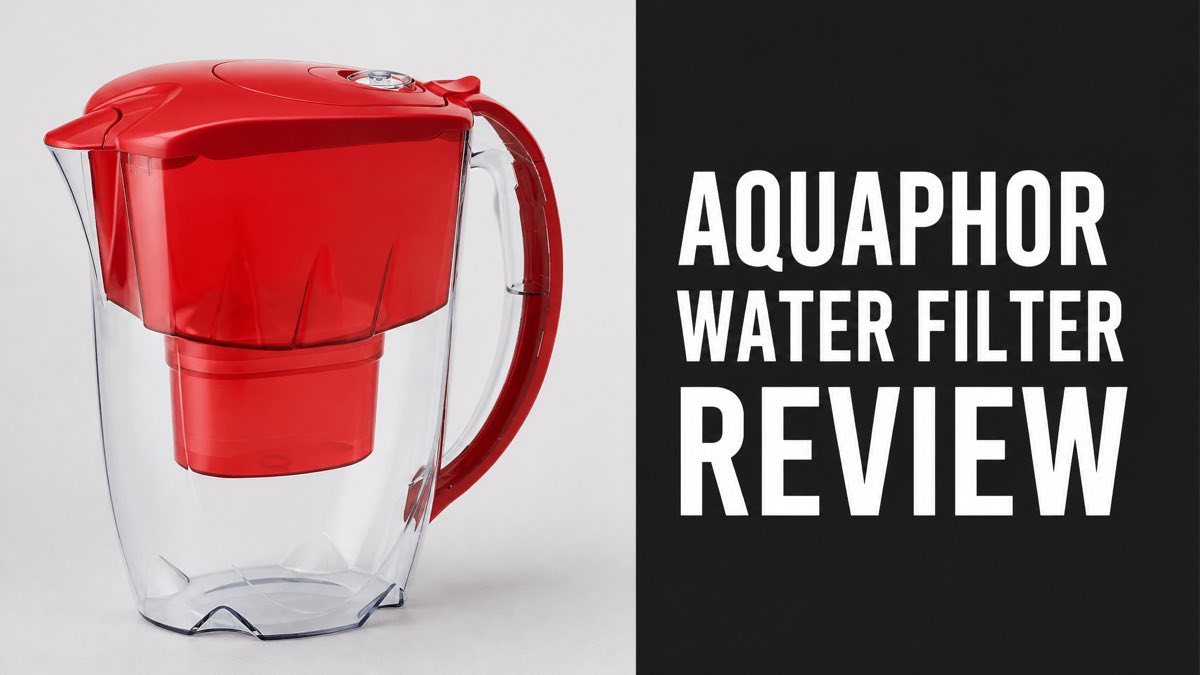
An Aquaphor water filter is a drinking water filter from an EU-built brand. Most buyers get it as a jug with a replaceable cartridge. The jug cleans tap water through carbon and ion-exchange resin with no installation. The brand also makes under-sink and reverse osmosis systems.
Gravity pulls tap water through coconut shell carbon and resin. The cartridge reduces chlorine, limescale, and some heavy metals. Cartridges last 170 to 500 liters (45 to 132 gallons). Refilling and regular cartridge changes are the main downsides. Under-sink systems filter every pour, but they cost far more.
A jug costs about €12 to €42, and cartridges add roughly €44 a year. That makes it a budget pick for taste and limescale, not a certified fix for PFAS. Read on for models, costs, downsides, and who should buy one. The verdict at the end weighs the pros and cons.
What Is an Aquaphor Water Filter?
An Aquaphor water filter is a drinking water filter from an EU-built brand, usually a jug with a replaceable cartridge. The brand also makes under-sink carbon systems and reverse osmosis units. Three different technologies share one name. Why does that matter? The model decides what the filter actually does.
The jug is the common pick. Here's how it goes: tap water goes into the funnel and gravity pulls it through the cartridge. A new jug needs no installation and ships with one cartridge.
Which Aquaphor Models Exist?
Aquaphor sells dozens of jug models, from 2.4 liter (0.6 gallon) compact pitchers to 4.2 liter (1.1 gallon) family jugs. Cartridge life and housing material set the models apart. Color and lid style change too.
The Compact Maxfor+ fits a fridge door. Provence and Onyx use shock-resistant Tritan plastic. The J. SHMIDT 500 adds a built-in micropump and a hollow fiber membrane for bacteria protection.
Popular Aquaphor Jugs:
| Model | Capacity | Cartridge Life |
|---|---|---|
| Compact Maxfor+ | 2.4 L (0.6 gal) | 200 L (53 gal) |
| Prestige A5 | 2.8 L (0.7 gal) | 350 L (92 gal) |
| Glass Maxfor+ | 2.5 L (0.7 gal) | 200 L (53 gal) |
| Onyx Maxfor+ | 4.2 L (1.1 gal) | 200 L (53 gal) |
| Provence A5 | 4.2 L (1.1 gal) | 350 L (92 gal) |
How Does an Aquaphor Water Filter Work?
Gravity pulls tap water through a cartridge packed with coconut shell activated carbon and ion-exchange resin. The carbon binds chlorine, pesticides, and odor compounds. The resin reduces water hardness and limits scale.
Results depend on contact time, water temperature, and cartridge age. A fresh cartridge binds more. Why does age matter? The cartridge fills up, and a full one binds less.
What Is Aqualen?
Aqualen is a patented ion-exchange fiber that retains heavy metal ions. Aquaphor places the fiber inside the cartridge next to the carbon. What's more, the brand claims the fiber surface is 33 times larger than competing filters.
The fiber also spreads water evenly through the whole filter mix. Water can channel through gaps and rush out too fast. Why does flow matter? Even flow keeps the whole cartridge working. To be clear, independent lab data for these specific claims is missing.
What Does an Aquaphor Water Filter Remove?
Short answer: an Aquaphor jug mainly improves taste and smell and reduces chlorine, limescale, pesticides, and some heavy metals. Product copy uses the word 'reduces' for every item.
Does 'reduces' mean 'removes everything'? No. Carbon removes only a share of each substance, so the wording is accurate. A jug is a taste and odor filter first.
Does It Remove Chlorine and Improve Taste?
Yes. Activated carbon binds free chlorine well, and chlorine taste is the most noticeable improvement. Odor and off-flavors drop too.
Why do tea and coffee taste cleaner? The chlorine taste drops. Owners of the glass jug describe the water as cleaner and fresher. The brand promises better-tasting hot and cold drinks.
Does It Reduce Limescale and Heavy Metals?
Yes. Aquaphor states that Maxfor+ cartridges reduce limescale and heavy metals such as lead, mercury, and copper. Ion exchange lowers hardness. Less white film forms on tea.
The Maxfor+ H cartridge targets medium-hard and hard tap water. Why pick the H version? Hard water dulls tea and coffee flavor and builds scale in kettles. Magnesium cartridges add magnesium to the water.
What Does an Aquaphor Jug Not Filter?
A carbon jug does not reliably remove PFAS, nitrate, or fluoride. Dissolved substances like nitrate and fluoride stay in the water. Carbon does not bind them.
Only the water poured through the jug gets filtered. Water drawn straight from the tap for cooking stays unfiltered. Standard cartridges remove substances and add no minerals.
Not Filtered Reliably:
- PFAS
- Nitrate
- Fluoride
- Tap water used straight for cooking
- Minerals, which standard cartridges do not add
How Long Does an Aquaphor Filter Last?
A cartridge lasts 170 to 500 liters (45 to 132 gallons) by model. The B15 cartridge lasts 170 liters (45 gallons). Maxfor+ lasts 200 liters (53 gallons). A5 lasts 350 liters (92 gallons).
In days, the B15 runs about 1 to 1.5 months and Maxfor+ about 1.5 to 2 months. The A5 runs up to 3 months. Water quality and household size change these numbers.
How Often Does the Cartridge Need Changing?
To put it simply: the cartridge needs replacement every one to three months by cartridge type. Some jugs carry counters to track the time. Others leave the calendar to the owner.
A mechanical counter triggers each time the lid opens, and the owner resets it by hand. Electronic counters use a light or a mini display. An overdue cartridge filters worse, not better.
Typical Cartridge Timing:
- B15 cartridge: about 1 to 1.5 months
- Maxfor+ cartridge: about 1.5 to 2 months
- A5 cartridge: up to 3 months
What Are the Downsides of an Aquaphor Water Filter?
The main downsides are constant refilling, frequent cartridge changes, and brand claims without independent test data. Every liter of filtered water starts with a pour. So what goes wrong? A half-empty jug waits at the moment of thirst.
The bad news? Unfiltered tap water often ends up in the pot because pouring is faster. Filtered water left on the counter for a day turns into stagnant water with no chlorine. The fridge solves that problem.
Is the Aquaphor Jug Plastic Safe?
Yes. Aquaphor jugs use food-grade, BPA-free plastic. The brand reports that its City filter bottles passed independent testing under EU Regulation No 10/2011. That rule covers plastics touching water.
Provence, Onyx, and J. SHMIDT 500 use Tritan copolyester. The brand states this material survives drops, and that's a real plus. A shatterproof jug suits homes with kids.
How Much Does an Aquaphor Water Filter Cost?
Prices run from about €12 for a small jug to about €270 for a reverse osmosis system. Jugs cost about €12 to €42. Under-sink systems cost about €96 to €185. Prices shift by seller and week.
A UK retailer lists the glass jug at £24.99, down from £34.99. The glass jug carries a three-year guarantee. A new jug includes its first Maxfor+ cartridge.
Aquaphor Price Ranges:
| Product | Type | Price |
|---|---|---|
| Compact 2.4 L | Jug | €11.95 |
| Prestige A5 | Jug | €15.14 |
| City and Onyx | Jug | €23.95 |
| Glass 2.5 L with Maxfor+ Mg | Jug | €41.99 |
| Crystal H | Under-sink | €96.49 to €109.90 |
| Crystal Soft | Under-sink | €159.90 |
| Reverse osmosis system | Under-sink | €269.90 |
What Does It Cost Per Year?
Cartridges add about €44 per year for a jug replaced every six weeks. A set of three Maxfor+ cartridges costs €14.59. How many sets does a year take? Three sets, or nine cartridges.
A5 and A5 Mg cartridges range from €6.53 to €17.11. Multi-packs lower the cost per cartridge. A spare set also prevents a gap in filtering.
How Does an Aquaphor Jug Compare With an Under-Sink Filter?
A jug costs less upfront, while an under-sink filter treats every tap pour without refilling. The jug targets taste, odor, chlorine, and limescale. Under-sink systems cover more ground.
The Aquaphor Crystal under-sink system uses three cartridges. The seller states it filters 8,000 liters (2,113 gallons) a year for families up to seven. Installation needs no tools. Reverse osmosis units strip minerals and flush water away.
Jug vs. Under-Sink:
| Feature | Jug | Under-Sink |
|---|---|---|
| Price | €12 to €42 | €96 to €185 |
| Filters every pour | No | Yes |
| Installation | None | Tool-free on the Crystal |
| Refilling needed | Yes | No |
Does a Jug Filter Cooking Water?
No. A jug filters only the water poured into it. Water taken from the tap for pasta, rice, or soup stays unfiltered. The cook must fill the pot from the jug first.
An under-sink filter treats the tap directly. Every pour arrives filtered. Every pour counts. Why does the habit matter? It decides how much water gets filtered.
Is an Aquaphor Water Filter Worth It?
Yes. An Aquaphor jug is worth it for buyers who want better-tasting tap water at a low price. Bottom line: the jug handles chlorine taste and limescale well. Does it replace a certified filter? No, not for health contaminants.
The glass jug holds a 4.5 out of 5 rating from 135 buyers. Owners praise the clean taste and the look. But one owner calls the glass heavy and the indicator hit and miss.
Pros:
- Low price
- No installation
- Cartridge options up to 350 liters (92 gallons)
- Cleaner taste and less limescale
Cons:
- Constant refilling
- Regular cartridge changes
- Filters only poured water
- Brand claims without independent test data
Who Should Buy an Aquaphor Jug?
Students, tenants, and small households get the most from a jug. In plain English: the jug needs no installation and no plumber. Small kitchens suit the Compact and Smile models.
Large families need the 4.2 liter Onyx or Provence. Think of it this way: bigger households pour more often. Buyers who want PFAS reduction or filtered water at every tap need a certified under-sink system. NSF standards 42, 53, 61, and 372 mark certified performance.
Pop Kitchen is a reader-supported platform. Purchases made through our links may earn us an affiliate commission at no extra cost to you.